Musée des Beaux-Arts, Marseille
Museum in Marseille
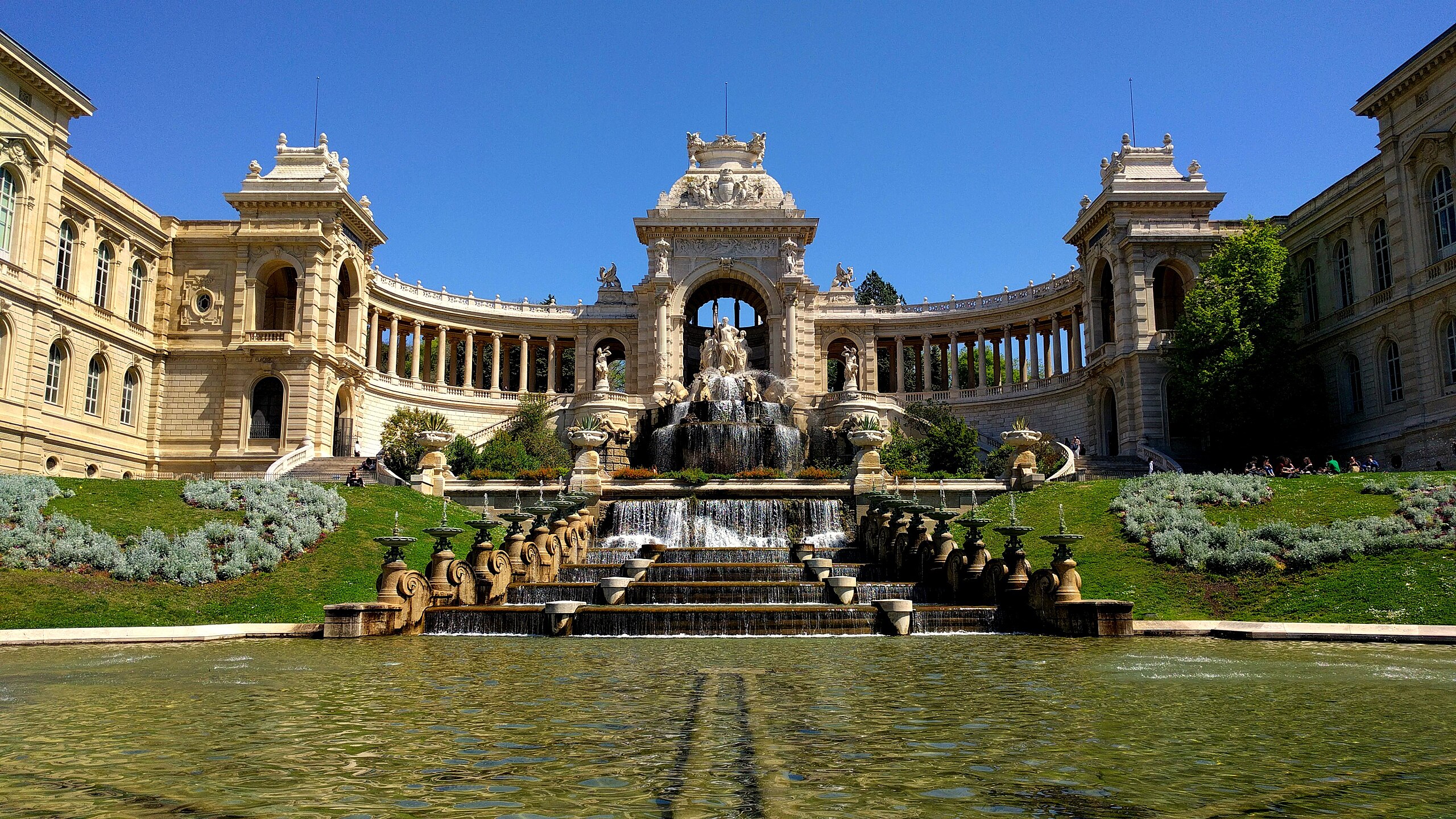
Set within the sweeping arcades of the Palais Longchamp, the Musée des Beaux-Arts de Marseille is where fine art, architecture and city history all come together. Founded in 1801, it is the oldest museum in Marseille and today holds more than 8,000 works spanning the 16th to the 19th centuries. From luminous Italian canvases and powerful French baroque scenes to 19th-century landscapes by Courbet, Corot and Millet, it offers a rich overview of European art history with a strong Provençal flavour.
The museum's setting is part of its appeal. The wing it occupies was purpose-built in the Second Empire within Henry Espérandieu's Palais Longchamp, a monumental celebration of the Durance canal that brought precious water to Marseille. Outside, the dramatic fountain of La Durance drawn by Camargue bulls and the formal gardens create a theatrical approach; inside, quiet galleries and tall windows give space for paintings, sculptures and drawings to shine. It is a great place to visit on a walking tour of Marseille, especially if you want to mix culture with a relaxed stroll in one of the city's most elegant neighbourhoods.
Table of Contents
- History and Significance of the Musée des Beaux-Arts de Marseille
- Things to See and Do in the Musée des Beaux-Arts de Marseille
- How to Get to the Musée des Beaux-Arts de Marseille
- Practical Tips on Visiting the Musée des Beaux-Arts de Marseille
- Where to Stay close to the Musée des Beaux-Arts de Marseille
- Is the Musée des Beaux-Arts de Marseille Worth Visiting?
- FAQs for Visiting the Musée des Beaux-Arts de Marseille
- Nearby Attractions to the Musée des Beaux-Arts de Marseille
History and Significance of the Musée des Beaux-Arts de Marseille
The Musée des Beaux-Arts de Marseille was created in 1801, when the Consulate decided to establish major museums in key French cities to house works seized during the Revolution and to promote public access to art. Marseille's collection first took shape in the former Bernardines' Convent from 1804, where donated and transferred works from churches, estates and state holdings were brought together under one roof. This early museum reflected a new, post-Revolutionary idea: that masterpieces should belong to the public, not just royal or ecclesiastical patrons.
By the mid-19th century, Marseille needed a more prestigious home for its growing collections. Under the Second Empire, architect Henry Espérandieu designed the Palais Longchamp, both as a monumental gateway for the canal bringing water from the Durance and as a cultural palace. One wing was reserved for the Musée des Beaux-Arts, which officially opened here in 1869. The palace's grand fountain group, showing the personified Durance on a chariot pulled by Camargue bulls, celebrated the city's new lifeline while giving the museum an unforgettable façade.
Over time, the museum has grown into a major reference point for Mediterranean art history. It holds important Italian and French works from the 16th and 17th centuries, a strong selection of Northern European painting, and a thoughtful focus on regional Provençal artists. As Marseille has evolved from industrial port to creative capital, the Musée des Beaux-Arts has remained a cultural anchor, preserving the city's artistic heritage and connecting it to the wider European story.
Things to See and Do in the Musée des Beaux-Arts de Marseille
Once inside the Palais Longchamp wing, start by wandering through the main painting galleries to get a sense of the breadth of the collection. Italian and French works from the 16th and 17th centuries line the walls, with names like Louis Finson, Jean Daret and Nicolas Mignard giving a feel for how Mediterranean light and religious drama were interpreted in paint. These rooms are particularly rewarding if you enjoy following shifts in style from mannerism to baroque and beyond.
The museum's Northern school section offers a change of atmosphere, with works by Rubens, Jordaens and Snyders adding Flemish richness and dynamism. Hunting scenes, portraits and large-scale compositions show how artists from the north engaged with myth and daily life in a very different way from their southern counterparts. It is a good reminder that Marseille, as a major port, has long been connected to northern Europe as well as the Mediterranean.
Do not miss the focus on Provençal art, where painters like Michel Serre give a more local voice to events and landscapes. In the 19th-century galleries, you will find works by Courbet, Corot, Daubigny, Millet and Puvis de Chavannes, anchoring the collection firmly in the broader story of French art. Take your time to enjoy the interplay between the art and the building: high ceilings, natural light and views towards the Longchamp gardens make these rooms particularly pleasant to linger in. Afterwards, step outside to explore the palace’s monumental fountain and park, which complete the experience.
How to Get to the Musée des Beaux-Arts de Marseille
The Musée des Beaux-Arts de Marseille is located in the Palais Longchamp, in the 4th arrondissement, north-east of the Vieux-Port and close to several main transport lines. Most international visitors arrive via Marseille Provence Airport, which has frequent flights from across Europe and offers shuttle buses and train links into the city centre. For the best deals and a seamless booking experience, check out these flights to Marseille on Booking.com.
If you are arriving by train, Marseille Saint-Charles station is your main gateway, served by TGV and regional TER trains from Paris, Lyon, Nice and other French cities.You can use SNCF Connect to check schedules, compare routes, and purchase tickets for National (SNCF ) and regional trains (TER). For a more streamlined experience, we recommend using Omio, which allows you to easily compare prices, schedules, and book tickets for both National and Regional travel across all of Europe, all in one place. From the station, the museum is only a short journey: you can walk in around 20-25 minutes, or take the metro or tram to stops near Palais Longchamp and then stroll through the surrounding streets to the park entrance.
Within Marseille, the museum is easy to reach using public transport, including metro and tram lines that stop close to the Longchamp area. If you are driving, follow signs towards Marseille centre and the 4th arrondissement, then use nearby public car parks or street parking where permitted before walking into the Palais Longchamp gardens to reach the museum wing.If you are looking to rent a car in France I recommend having a look at Discover Cars, first, as they compare prices and review multiple car rental agencies for you. The approach through the park, with views of the fountain and palace, is part of the charm of visiting this institution.
Practical Tips on Visiting the Musée des Beaux-Arts de Marseille
- Suggested tips: Combine your visit with a stroll through the Palais Longchamp gardens, and leave time simply to sit and enjoy the fountain and architecture outside after the galleries.
- Best time to visit: Weekday mornings or late afternoons are usually quieter; visiting outside peak heat in summer also makes the walk through the park more comfortable.
- Entrance fee: Free
- Opening hours: Tuesday to Sunday from 9 a.m. to 6 p.m.
- Official website: https://musees.marseille.fr/musee-des-beaux-arts-mba
- How long to spend: Allow 1.5 to 2 hours in the museum itself, plus extra time to explore the exterior of Palais Longchamp and its gardens.
- Accessibility: Main galleries are generally accessible, but check for lift access and routes if you have reduced mobility, as parts of the historic building may involve steps.
- Facilities: Expect standard museum facilities such as toilets and cloakroom areas; cafés and additional services can be found nearby in the Longchamp area.
- Photography tip: Capture views through the tall gallery windows framing the palace or gardens, and then step outside to photograph the grand fountain and façade from the lower terrace.
- Guided tours: Look out for occasional guided visits or themed tours focusing on specific periods or artists; they can add useful context if you are keen on art history.
- Nearby food options: The neighbourhood around Palais Longchamp has cafés and bistros where you can enjoy a drink or meal before or after your visit, or you can bring a snack to enjoy in the park.
Where to Stay close to the Musée des Beaux-Arts de Marseille
Staying near Palais Longchamp puts you in a slightly quieter, residential part of Marseille while still being well connected to the Vieux-Port and main sights by metro and tram. For a stylish base near transport links and within easy reach of Longchamp, NH Collection Marseille offers modern comfort and quick connections to both the museum and the Old Port. If you prefer a grander setting a little closer to the historic centre but still within a short metro ride of the museum, InterContinental Marseille - Hôtel Dieu combines luxury with sweeping views over the city. For a more intimate option within a residential area, Alex Hotel & Spa near Saint-Charles station gives you easy access to Palais Longchamp uphill and the Vieux-Port downhill, making it a convenient middle ground for exploring both the museum quarter and the harbour.
Is the Musée des Beaux-Arts de Marseille Worth Visiting?
Yes, the Musée des Beaux-Arts de Marseille is very much worth adding to your Marseille itinerary, especially if you appreciate painting and sculpture. It offers a concentrated journey through three centuries of European art, from Italian and French masters to Northern school works and regional Provençal pieces, all presented in a setting that is as impressive as the collection itself. The combination of serious art history, the theatrical architecture of Palais Longchamp, and the chance to relax in one of the city's most elegant parks makes it a rewarding stop whether you are an art enthusiast or simply curious about Marseille's cultural side.
FAQs for Visiting the Musée des Beaux-Arts de Marseille
Where exactly is the Musée des Beaux-Arts de Marseille located?
It is housed in one wing of the Palais Longchamp, in the 4th arrondissement of Marseille, a short metro or tram ride from the Vieux-Port and Saint-Charles station.
Do I need to buy tickets in advance?
You can usually buy tickets on site, but checking current information and any special exhibitions online before your visit will help you decide whether advance booking is useful.
Is the museum suitable for children?
Yes, children are welcome; while it is a traditional fine arts museum, the grand rooms, sculptures and the chance to run around in the Longchamp gardens make it enjoyable for families.
Can I visit Palais Longchamp without going into the museum?
Yes, the gardens and exterior of the palace are freely accessible, and you can choose whether or not to buy a ticket to the Musée des Beaux-Arts itself.
How does it compare to Mucem or other Marseille museums?
Mucem focuses on Mediterranean civilisations and modern architecture, while the Musée des Beaux-Arts is more classical and painting-focused; they complement each other if you have time for both.
Nearby Attractions to the Musée des Beaux-Arts de Marseille
- Palais Longchamp gardens: Formal terraces, lawns and fountains surrounding the palace, ideal for a relaxing walk before or after the museum.
- Natural History Museum of Marseille: Located in the opposite wing of Palais Longchamp, offering family-friendly exhibits on wildlife and geology.
- Saint-Charles railway station area: A major transport hub with striking stairways and views down towards the city, within walking distance.
- La Friche la Belle de Mai: A creative cultural complex in a former tobacco factory, a short bus or walk away, hosting exhibitions, events and rooftop views.
- Vieux-Port (Old Port): Marseille's historic harbour and social heart, reachable by metro or tram, where you can continue your day with a waterfront stroll or boat trip.
The Musée des Beaux-Arts appears in our Complete Guide to Visiting Marseille!
This website uses affiliate links which may earn a commission at no additional cost to you!
Visiting Musée des Beaux-Arts
Tuesday to Sunday from 9 a.m. to 6 p.m.
Free
Nearby Attractions
- Muséum d'Histoire Naturelle (MHM) (0.1) km
Museum - Marseille Saint-Charles Station (0.3) km
Train Station - Porte d'Aix (1.6) km
City Gate - Marseille History Museum (1.7) km
Museum - Jardin des Vestige (1.8) km
Gardens and Historic Site - Église Saint-Cannat (1.8) km
Church - Church of Saint Ferreol (1.8) km
Church - Vieux Port (Old Port) (1.9) km
Port - Hotel de Ville (2.2) km
Town Hall - Musée d'Archéologie Méditerranéenne (MAM) (2.2) km
Museum