St Nicholas Priory, Exeter
Historic Building, Historic Site and Museum in Exeter
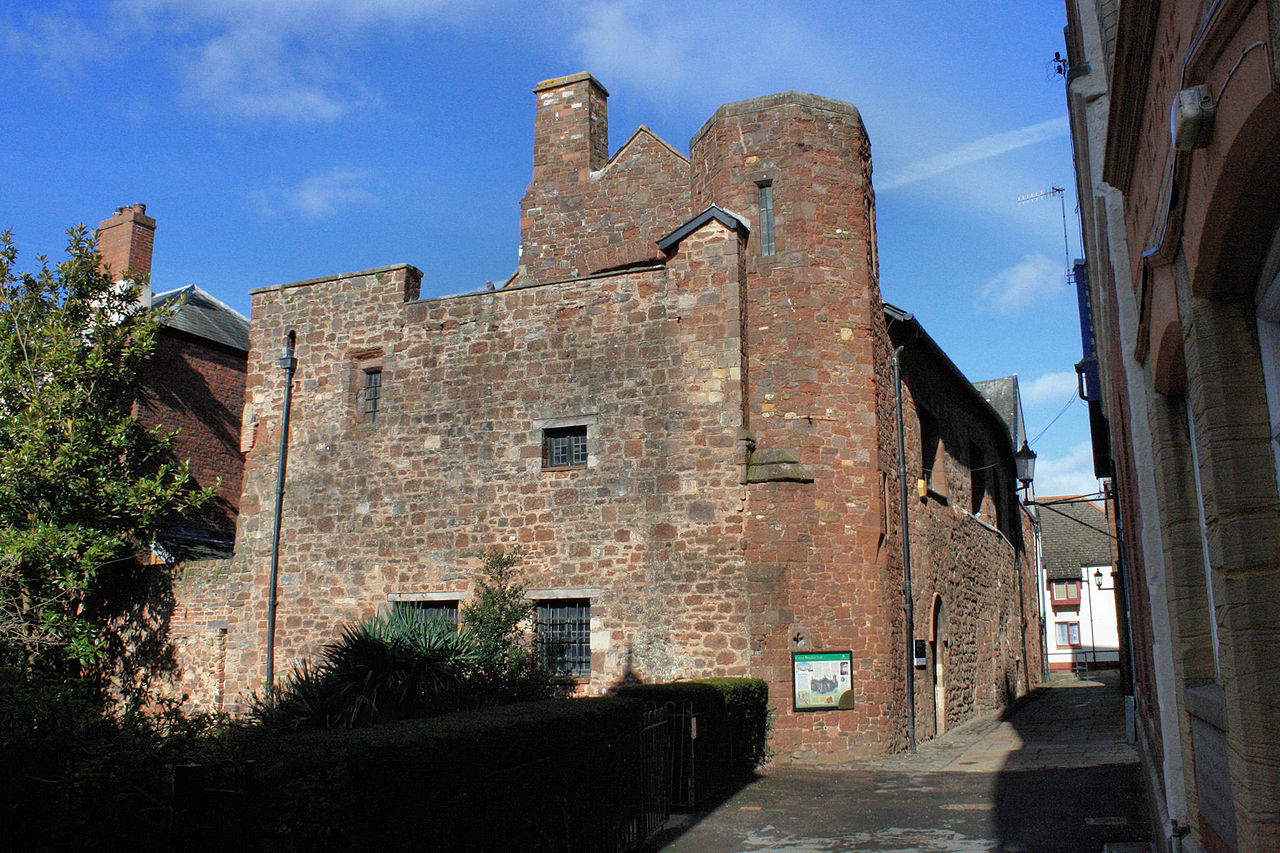
St Nicholas Priory is one of the best places to visit in Exeter for travellers who love deep history, medieval architecture and richly recreated period interiors. Founded in 1087 by monks from Battle Abbey, this Grade I listed building is Exeter's oldest surviving structure and a rare example of a Benedictine monastery that later became an Elizabethan merchant's home. Hidden along The Mint, a narrow laneway surrounded by handsome historic houses, the Priory offers a vivid time-travel experience through nearly a millennium of Exeter's past.
Today, the preserved west range-transformed into a grand Tudor townhouse after the Dissolution-features replica furniture, colourful Elizabethan interiors and objects from Exeter’s historic collections. Its recent restoration allows visitors to walk through atmospheric rooms that evoke both the monastic world and the life of the wealthy Hurst family who lived here in the early 1600s.
Table of Contents
- History and Significance of St Nicholas Priory
- Things to See and Do in St Nicholas Priory
- How to Get to St Nicholas Priory
- Practical Tips on Visiting St Nicholas Priory
- Where to Stay close to St Nicholas Priory
- Is St Nicholas Priory Worth Visiting?
- FAQs for Visiting St Nicholas Priory
- Nearby Attractions to St Nicholas Priory
History and Significance of St Nicholas Priory
The origins of St Nicholas Priory begin shortly after the Norman Conquest. In 1068, William the Conqueror besieged Exeter and later gifted the church of St Olave to Battle Abbey. Monks sent from Sussex founded a new monastery on the site, dedicating it to St Nicholas in 1087. Over the next centuries, the Priory expanded with new ranges, a church and guest facilities for pilgrims and travellers, becoming an important religious community within the city.
The monastery thrived until 1536, when Henry VIII dissolved the smaller religious houses. The church and cloisters were demolished, and monastic stone was reused to repair Exeter's bridges. The remaining buildings were sold, and between 1575 and 1602 transformed into an impressive Elizabethan townhouse. Later centuries saw subdivision into multiple homes and businesses until Exeter Corporation purchased the building in 1913 and restored its medieval features.
Further restorations in 2007 and 2009 returned parts of the Priory to its Tudor appearance, and after structural closure in 2015, it reopened in 2018 under the Exeter Historic Buildings Trust. Today it serves as a museum and atmospheric venue that preserves nearly 900 years of Exeter's story.
Things to See and Do in St Nicholas Priory
Visitors can explore rooms furnished as they would have appeared in 1602, when the wealthy Hurst family lived here. Brightly painted walls, replica Elizabethan furniture and authentic domestic items help bring early modern life to life.
The Great Hall is a highlight, showcasing how affluent Tudor families dined and entertained. The kitchen, bedrooms and service areas reveal the rhythms of daily life, while the architecture itself-timbers, stonework and surviving medieval features-reflects the building’s monastic origins.
Exhibits include artefacts from Exeter’s collections and interpretation detailing the Priory’s evolution from monastery to townhouse. The building also hosts events such as concerts, historical talks and performances, adding a lively cultural dimension to a visit.
How to Get to St Nicholas Priory
The nearest major airport is Exeter Airport, a short drive from the city centre. For the best deals and a seamless booking experience, check out these flights to Exeter on Booking.com.
Exeter Central and Exeter St David's stations provide excellent rail connections, and the Priory is an easy walk from Central through the historic heart of the city. Train schedules and bookings can be found on Omio.
Visitors arriving by car can use nearby city-centre car parks, then walk through the narrow streets of The Mint to reach the Priory.
Practical Tips on Visiting St Nicholas Priory
- Best time to visit St Nicholas Priory: Weekdays for quieter exploration of the Tudor rooms.
- Entrance fee in Euros: Modest admission; check the trust’s website.
- Opening hours: Limited and varied; often open on selected days or for events.
- Official website: See Exeter Historic Buildings Trust for the latest details.
- How long to spend: 45 minutes to 1 hour.
- Accessibility: Some rooms involve stairs and uneven floors typical of historic buildings.
- Facilities: Toilets, small gift shop, event spaces.
- Photography tip: The Great Hall offers excellent compositions of timber framing and Tudor décor.
- Guided tours: Tours available on select days or during events.
- Nearby food options: Numerous cafés and restaurants around Fore Street and the city centre.
Where to Stay close to St Nicholas Priory
The Priory is centrally located, so several hotels are within a short walk. Consider Hotel du Vin Exeter for boutique comfort. A modern option nearby is Leonardo Hotel Exeter. For classic charm, Mercure Exeter Southgate Hotel is a convenient choice.
Is St Nicholas Priory Worth Visiting?
Yes, St Nicholas Priory is absolutely worth visiting. Its unique blend of medieval monastic architecture and beautifully recreated Elizabethan interiors makes it one of Exeter's most atmospheric historic sites. Whether you love Tudor history, heritage buildings or hidden corners of old cities, the Priory offers an intimate and memorable experience.
FAQs for Visiting St Nicholas Priory
How old is St Nicholas Priory?
Founded in 1087, it is Exeter’s oldest surviving building.
Is it furnished as a monastery or a Tudor house?
It is furnished as a Tudor merchant’s home from 1602, though medieval features remain.
Can families visit?
Yes, children enjoy exploring the colourful rooms and historic setting.
Is it open daily?
Opening hours vary; check ahead due to limited public days.
Are events held here?
Yes, including plays, concerts, talks and private hire events.
Nearby Attractions to St Nicholas Priory
- Exeter Cathedral - Gothic masterpiece with the world's longest medieval vault.
- Exeter Castle - Remains of the city's Norman stronghold.
- Royal Albert Memorial Museum (RAMM) - Exeter's leading art and history museum.
- Exeter's Underground Passages - Unique medieval tunnels beneath the city.
- Exeter Quay - Historic waterfront with shops, cafés and riverside paths.
The St Nicholas Priory appears in our Complete Guide to Visiting Exeter!
This website uses affiliate links which may earn a commission at no additional cost to you!
Visiting St Nicholas Priory
Monday Opening 10am-4pm
Free
Nearby Attractions
- Tuckers Hall (0.1) km
Historic Building - Exeter City Wall (0.2) km
City Gate and City Walls - Exeter Guildhall (0.3) km
Historic Building - Cricklepit Mill (0.3) km
Mill - Medieval Exe Bridge (0.3) km
Bridge - Exeter Cathedral (0.4) km
Cathedral - Exeter Customs House (0.4) km
Historic Building and Tourist Office - Royal Albert Memorial Museum (0.4) km
Museum - Northernhay Gardens (0.6) km
Park - Exeter Ship Canal (0.6) km
Canal